Category: Uncategorized

  • CBD Use During Pregnancy & Breastfeeding

    CBD Use During Pregnancy & Breastfeeding

    Close-up photo of hands preparing or using CBD during pregnancy/breastfeeding, natural light

    CBD During Pregnancy & Breastfeeding: What You Should Know

    When Emily found out she was expecting, she packed away every vitamin and supplement she couldn’t pronounce — except one small bottle of CBD oil that had once helped her sleep.
    Like thousands of women searching online, she wondered if something natural could still have a place in her wellness routine. Could CBD really be harmless during pregnancy or breastfeeding? What does science actually say?

    This article blends the latest CBD research with real-world perspective, helping new and expecting parents separate caution from confusion.

    Understanding the Basics

    Macro photo of natural ingredients related to CBD during pregnancy/breastfeeding, tactile textures

    CBD — or cannabidiol — is the non-intoxicating compound found in hemp plants. For many adults it’s become a daily ritual: a drop for calm, a balm for sore joints, a gummy before bed. But pregnancy changes the rules. The endocannabinoid system, which CBD interacts with, is active in fetal and infant development — guiding neurological and immune growth. That’s why experts urge careful review before introducing any cannabinoid during this stage.

    Emily’s story mirrors the larger public debate. She trusted hemp for balance before pregnancy; now she faced pages of conflicting blogs, few clear answers, and a deep instinct to protect. Her next step was research — not reassurance.

    • Read peer-reviewed sources: Avoid influencer testimonials; rely on medical or academic material.
    • Ask about certification: Legitimate products list testing labs and THC compliance openly.

    Bottom line: When information is uncertain, evidence and guidance matter more than marketing.

    What Research Says

    Current research and studies on CBD during pregnancy or breastfeeding remain limited. A few observational reports link high-THC cannabis use to developmental effects, but pure CBD has not been extensively tested in pregnant populations.
    Doctors emphasize that “not enough data” does not mean “safe until proven otherwise” — it means “unknown, proceed carefully.”

    Researchers continue exploring how cannabinoids cross the placenta or appear in breast milk, but early evidence suggests they can. Until those pathways are fully understood, major medical organizations advise avoidance.

    • Human studies are rare: Most results come from animal models, not real-world maternal cases.
    • Potential interactions: CBD may alter metabolism of prescription drugs, including prenatal vitamins or pain relief medication.

    Bottom line: Science evolves, but maternal caution remains timeless.

    How to Approach Safely

    If you’re navigating symptoms like anxiety, nausea, or sleeplessness, it’s natural to seek gentle relief. Still, health professionals stress communication above experimentation. Bring every supplement — even plant-based ones — to your next appointment.
    Your provider can explain safe alternatives, or discuss when reintroducing hemp wellness might be appropriate postpartum.

    Before Emily made any decision, she turned to her doctor. Together they reviewed information on full-spectrum CBD, labeling standards, and timing. That conversation replaced fear with clarity — a model worth repeating.

    • Start with honesty: Your doctor can only advise based on what they know you’re taking.
    • Delay if uncertain: Waiting until after nursing may be the safest option for many mothers.

    Bottom line: Dialogue with professionals turns confusion into confidence.

    Choosing Quality Products

    For parents who decide — under medical clearance — to use CBD postpartum, product quality determines safety. Contaminants like residual solvents or mislabeled THC levels can appear even in attractive packaging.
    Trust is earned through transparency.

    • Third-party testing: Confirm lab results are accessible and recent.
    • Transparent labeling: Every cannabinoid concentration and ingredient should be visible.
    • Reputation counts: Long-standing companies with compliance history are safest.

    Bottom line: A clean label protects both parent and child.

    Frequently Asked Questions

    Is CBD during pregnancy/breastfeeding right for me?

    Always consult your healthcare provider before using any cannabinoid. No supplement replaces professional prenatal or postpartum care.

    How do I know if a product is high quality?

    High-quality CBD products display verified testing, ingredient transparency, and clear contact information for manufacturers.

    Further Reading

    References

  • Tolerance and Dependence: Hemp Derived Products

    Tolerance and Dependence: Hemp Derived Products

    Editorial-style photo of “more hemp = more cbd” in daily life, candid lifestyle moment, natural light

    “More Hemp = More CBD” — What Actually Matters

    At a weekend market, Maya picked up two tinctures. One boasted “extra hemp,” the other listed actual milligrams of CBD per serving. The first sounded impressive; the second felt plain. Which one delivers? Understanding how CBD works — and how labels can mislead — is the difference between guessing and getting results. For a deeper foundation on product types and effects, see this overview of hemp products and effects and the science primer on CBD, CBG, and CBN.

    Understanding “More hemp = more CBD” Basics

    Close-up photo of hands preparing or using “more hemp = more cbd”, natural light, professional photography

    “More hemp” tells you nothing about how much CBD ends up in the bottle. Why? Because CBD outcomes depend on:

    • Cannabinoid percentage of the plant: Ten grams of low-potency hemp can yield less CBD than two grams of a high-CBD cultivar. See the primer comparing hemp flower vs. THC flower for how chemotypes differ.
    • Extraction & formulation: Different methods (ethanol, CO₂, etc.) and post-processing steps can concentrate or dilute CBD.
    • Final tested potency: What matters on your shelf is milligrams of CBD per serving and per container — not plant weight. For topical nuances, see this CBD topicals overview.

    Bottom line: “More hemp” is a marketing phrase; accurate CBD potency is a measurable number on a lab report and label.

    What the Research Shows

    Macro photo of natural ingredients related to “more hemp = more cbd”, tactile textures, soft lighting

    Current research explores how cannabinoids interact with human biology, while comparative pieces like CBN vs. CBD explain why different molecules deliver different experiences. But none of this evidence supports the shortcut that more plant mass alone guarantees better outcomes. If you’re considering changes to amount or timing, always consult your healthcare provider.

    • Research is ongoing: Effects depend on dose, matrix (oil, gummy, topical), and individual chemistry.
    • Individual results vary: Two products with the same “hemp” claim can deliver very different CBD per serving.

    Bottom line: Follow the data on tested potency — not assumptions based on raw plant quantity.

  • Potency Drift & Oxidation for Cannabinoids

    Potency Drift & Oxidation for Cannabinoids

    Editorial-style photo of potency drift and oxidation in daily life, candid lifestyle moment, natural light

    Potency Drift & Oxidation: A Small Shift With a Big Effect

    Open a fresh bottle and you can almost feel the promise: clean flavor, predictable effect, easy routine. Weeks later, if results feel fainter, it might not be you—it might be potency drift from air, light, or heat nibbling at the cannabinoids you paid for. A few simple cues can help your CBD stay closer to “day-one” fresh. If you’re new to the science, this fast primer on cannabinoids is a helpful warm-up: your wellness.

    Understanding Potency drift and oxidation Basics

    Close-up photo of hands preparing or using potency drift and oxidation, natural light, professional photography

    Every time a bottle opens, oxygen and light get a tiny say. Over time, those small moments can add up—subtle flavor shift, less “pop,” and a feeling that your usual serving isn’t landing quite like before. That’s potency drift. The good news? It’s surprisingly easy to nudge the odds in your favor.

    • Short exposures: Open, measure, close. Think “cap off, cap on.”
    • Shade over shine: A cupboard beats a sunny counter every time.
    • Steady temps: Room-temp consistency usually serves you better than heat swings.

    Curious about how different cannabinoids behave and why that matters as bottles age? This research-minded overview and format guide are solid companions as you dial in your routine.

    Bottom line: Treat CBD like a fresh pantry oil—protect from air, light, and heat, and it tends to treat you better.

    What the Research Shows

    Macro photo of natural ingredients related to potency drift and oxidation, tactile textures, soft lighting

    You’ll see a common thread across education pieces: stability comes down to how products are made and how they’re stored. Label transparency, batch testing, and realistic storage guidance matter because they help you keep results closer to what the lab measured. If you’re adjusting amounts or timing—and especially if you take medications—loop in a clinician using this quick checklist: consult a healthcare provider.

    • Research is ongoing: Cannabinoid stability varies by matrix (oil, gummy, topical) and conditions.
    • Individual results vary: Two households, two storage habits—two very different end-of-bottle experiences.

    Bottom line: You don’t need perfect conditions—just consistent, sensible ones.

    How to Get Started Safely

    A gentle suggestion: before changing your serving, try a storage tune-up for seven days. Keep the bottle shaded, recap promptly, and track how you feel. Many people find their “missing” consistency returns without using more. If you’re revisiting your broader plan (sleep, stress, training), this day-to-day playbook is a useful anchor: ine re.

    • Start with lower amounts: Let good storage do part of the work.
    • Monitor your response: Note taste, onset, and overall effect week-to-week.

    Bottom line: Sometimes the smartest “increase” is better care, not more milligrams.

    Choosing Quality Products

    Labels tell a quiet story. Clear milligrams per serving, batch COAs, and simple storage guidance suggest a product built for real life—not just a shelf. If you like routines that feel easy and repeatable, you might find yourself reaching for a balanced daily tincture.

    • Third-party lab testing: Batch certificates confirm potency and purity.
    • Clear labeling: Serving size, total cannabinoids, and straightforward ingredients.
    • Reputable companies: Brands that teach you how to care for products respect your results.

    If a calm, consistent baseline sounds good, consider keeping an everyday bottle handy—such as Surgeons’ 850mg Full Spectrum CBD Oil. The balanced strength makes it easy to build a routine you barely have to think about—open, measure, recap, repeat.

    Frequently Asked Questions

    Is Potency drift and oxidation right for me?

    Think about how long a bottle lasts you, and where it lives between servings. Small storage upgrades often restore the consistency you expect. If you have medical questions, talk to a clinician first.

    How do I know if a product is high quality?

    Look for current third-party lab tests, clear CBD per serving, and practical storage guidance right on the label—signals that a brand wants your last serving to feel like your first.

    Further reading

    References

  • Why “Start Low, Go Slow” Remains Best CBD Use Method

    Why “Start Low, Go Slow” Remains Best CBD Use Method

    Editorial-style photo of why “start low go slow” still wins in daily life, candid lifestyle moment, natural light

    Why “Start Low, Go Slow” Remains Best CBD Use Method

    Alex wanted fast results. Instead of doubling drops, they tried something quieter: the smallest serving that still did something—then patience. A week later, the notes app told a different story: steadier days, better sleep, fewer variables. That’s the quiet power of “start low, go slow.”

    Understanding Why “start low go slow” still wins Basics

    Close-up photo of hands preparing or using why “start low go slow” still wins, natural light, professional photography

    Your minimal effective serving (MES) is the smallest amount that reliably helps. You find it by resisting the urge to over-correct. Begin with a low serving, hold it steady, then adjust in small steps only after you have data. For a quick science warm-up on why bodies respond differently, this primer helps connect dots between cannabinoids and outcomes: research.

    • Small signals first: Notice “lighter shoulders,” “easier wind-down,” or “better focus,” not just dramatic changes.
    • One lever at a time: Hold schedule, sleep, and caffeine steady while you test.

    Bottom line: A stable baseline makes progress obvious—and mistakes reversible.

    What the Research Shows

    Macro photo of natural ingredients related to why “start low go slow” still wins, tactile textures, soft light

    Most education resources agree on two things: dose and timing shape outcomes, and individuals vary. That’s why structured, incremental changes beat guess-and-check. If you use other wellness tools—or medications—loop in a clinician before adjusting your plan: consult guidance on what to ask and how to choose.

    • Research is ongoing: Expect patterns, not one-size-fits-all rules.
    • Individual results vary: Your log often explains “why” better than any headline.

    Bottom line: Evidence sets guardrails; your notes confirm what works for you.

    How to Get Started Safely

    Start with a simple, seven-day plan. Keep timing consistent and raise by small increments only if needed. If you’re new to cannabinoids, a foundation piece like this one can help frame expectations: ew wellness. For mapping pain or recovery goals into day-to-day actions, this guide is a helpful companion: ine re.

    • Start with lower amounts: Choose a modest baseline; hold steady for 3–4 days.
    • Monitor your response: Each day, log three words 60–90 minutes after use (mood • body • focus).

    Bottom line: Consistency turns “I think” into “I know.”

    Choosing Quality Products

    Good labels make “start low, go slow” easier. Look for clear milligrams per serving, batch numbers, and third-party lab tests. The more transparent the product, the simpler it is to scale a routine without surprises.

    • Third-party lab testing: Fresh COAs verify the numbers you’re basing decisions on.
    • Clear labeling: Serving mg and total mg per container prevent accidental jumps.
    • Reputable companies: Brands that teach you how to use products respect your results.

    Bottom line: Precision on the label supports precision in your plan.

    Frequently Asked Questions

    Is Why “start low go slow” still wins right for me?

    This depends on your individual health needs. Consult with a healthcare provider for personalized advice.

    How do I know if a product is high quality?

    Look for third-party lab testing, clear labeling, and companies with good reputations in the industry.

    Further reading

    References


  • Best CBD Tips for People with Sleep Problems

    Best CBD Tips for People with Sleep Problems


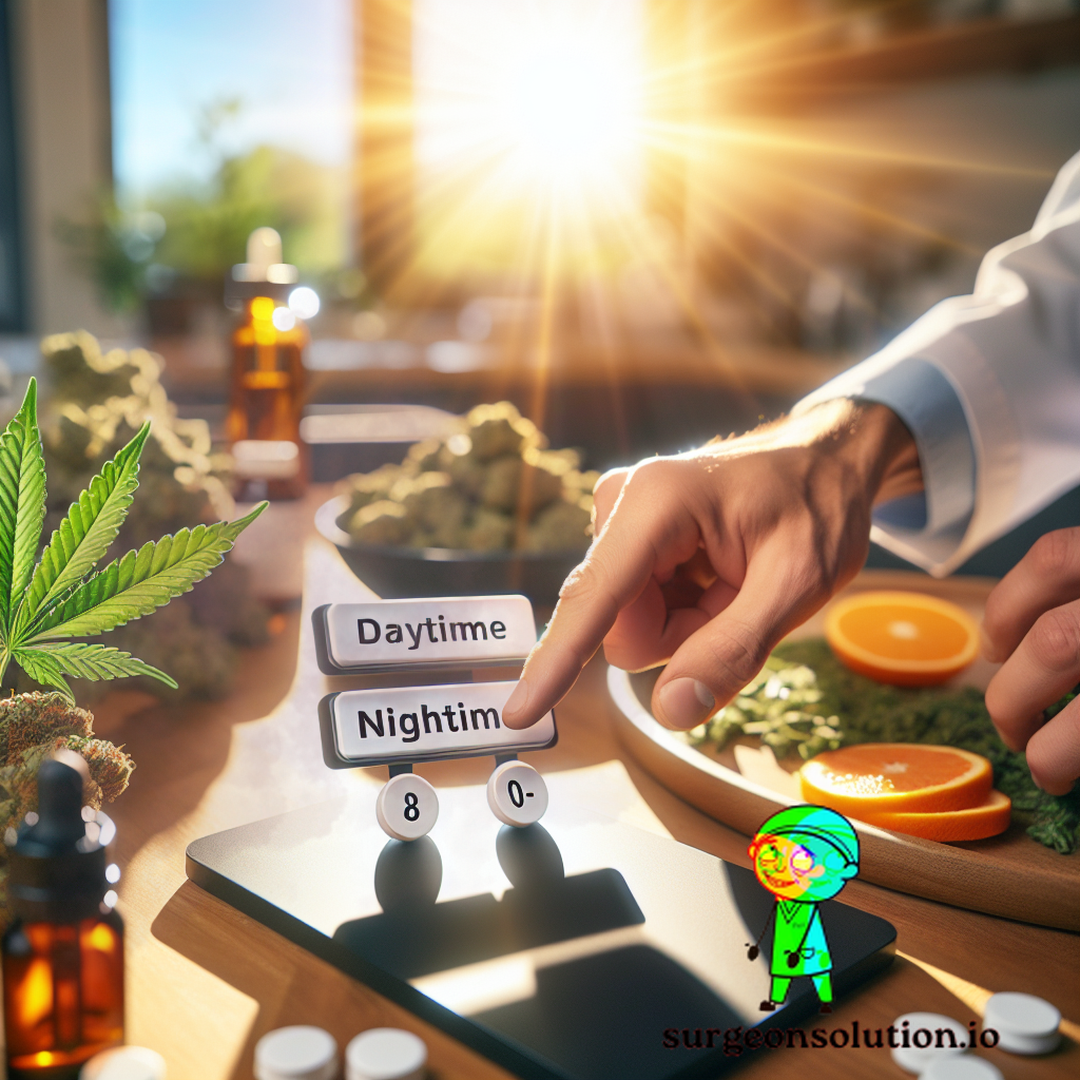
    Editorial-style photo of picking cbd for nighttime vs daytime in daily life, candid lifestyle moment, natural light

    What You Should Know About Picking CBD for nighttime vs daytime

    Mia wanted composure without feeling heavy; Evening Mia wanted a softer landing. Instead of changing products every week, she changed timing. A few small tweaks—and a seven-day log—turned guesswork into a routine that actually stuck. If you’re new to the chemistry behind CBD and its cousins, this quick primer helps set expectations.

    Understanding Picking CBD for nighttime vs daytime Basics

    Close-up photo of hands preparing or using picking cbd for nighttime vs daytime, natural light, professional photography

    Daytime needs are different from nighttime goals. Think in two lanes:

    • Daytime (“clear & steady”): If you’re aiming for composure without feeling weighed down, formats and blends matter. For quick comparisons of how cannabinoids differ in feel, this breakdown helps: CBD.
    • Nighttime (“settle & soften”): Many people shift timing and, sometimes, the blend—saving heavier, wind-down support for the evening.

    Bottom line: Don’t overhaul your life—separate your day plan from your night plan, and let timing do most of the work.

    What the Research Shows

    Macro photo of natural ingredients related to picking cbd for nighttime vs daytime, tactile textures, soft light

    Current research on Picking CBD for nighttime vs daytime suggests outcomes hinge on dose, timing, and your own biology. That’s why two people can take the same product and feel their “best window” at different hours. If you take medications or have questions, loop in your clinician early.

    • Research is ongoing: Expect patterns, not one-size-fits-all rules.
    • Individual results vary: Your notes app will teach you faster than any headline.

    Bottom line: Evidence sets the guardrails; your week finds the lane.

    How to Get Started Safely

    Start with one small experiment for seven days:

    • Pick a “day” and a “night” window: Keep timing consistent (e.g., 8:00 a.m. and 8:30 p.m.).
    • Hold serving steady for 3–4 days: Adjust only if you see no change by day four.
    • Log three words 60–90 minutes after use: “mood • focus • body.” Simple beats perfect.

    For mapping these choices into pain/recovery or training blocks, use this step-by-step guide: ine re.

    Bottom line: Consistency turns “I think” into “I know.”

    Choosing Quality Products

    Good labels make day/night routines easy: clear milligrams per serving, batch numbers, and third-party lab tests. If you prefer a straightforward way to keep daytime and nighttime distinct, some shoppers like dedicated blends for each window. One example: balanced, plainly labeled tinctures that combine daytime-friendly clarity with evening wind-down options—see this trio for a simple split: CBD + CBN + CBG oils. Choose what matches your schedule first; adjust details second.

    • Third-party lab testing: Fresh COAs confirm potency and purity.
    • Clear labeling: Serving mg and total mg per bottle prevent accidental jumps.
    • Reputable companies: Education beats hype—especially when timing is the variable.

    Bottom line: Precision on the label supports precision in your plan—morning through night.

    Frequently Asked Questions

    Is Picking CBD for nighttime vs daytime right for me?

    This depends on your individual health needs. Consult with a healthcare provider for personalized advice.

    How do I know if a product is high quality?

    Look for third-party lab testing, clear labeling, and companies with good reputations in the industry.

    Further reading

    References


  • GMP in CBD: Great Manufacturing Practices

    GMP in CBD: Great Manufacturing Practices

    Editorial-style photo of why “start low go slow” still wins in daily life, candid lifestyle moment, natural light

    Why “Start Low, Go Slow” Remains Best CBD Use Method

    Jordan wanted immediate relief and almost doubled the amount on day one. Nothing felt predictable—some days too much, other days nothing at all. A friend suggested the dullest strategy possible: start low, go slow. Seven days later, Jordan had a repeatable routine and a notes app that finally made sense. What changed? Not the product—the process.

    Understanding Why “start low go slow” still wins Basics

    Close-up photo of hands preparing or using why “start low go slow” still wins, natural light, professional photography

    “Start low, go slow” is how you find your minimal effective serving (MES)—the smallest amount that reliably helps. Why it works:

    • Different bodies, different knobs: Sleep, caffeine, meals, and metabolism change how cannabinoids feel across people and days. A refresher on why bodies respond differently is here: research.
    • Biphasic possibilities: With many wellness inputs, more isn’t always more; sometimes higher amounts can feel different rather than “stronger.” Calm can become dull, alert can tip to wired. Slow increases help you stop before you cross that line.
    • Format physics: Inhaled options act fast and fade faster; oral formats build slower and last longer. Timing—not just amount—shapes the experience. For background on core cannabinoids and formats, skim this primer: your wellness.

    Bottom line: Precision beats hurry. Small steps make patterns visible and keep adjustments reversible.

    What the Research Shows

    Macro photo of natural ingredients related to why “start low go slow” still wins, tactile textures, soft light

    Education resources consistently point to three levers—amount, timing, and format—and emphasize that individuals vary. That’s why structured, incremental changes beat “guess and hope.” If you’re taking medications or have medical conditions, loop in your clinician first (especially for potential interactions); this guide on choosing and discussing products can help you prepare questions: consu.

    • Research is ongoing: Expect useful patterns, not one-size-fits-all promises.
    • Individual results vary: A week of notes often explains “why it works for me” better than any single headline.

    Bottom line: Evidence sets the guardrails; your log finds the lane.

    How to Get Started Safely

    Here’s a simple, seven-day MES protocol you can run without changing your entire life. Keep your sleep, caffeine, and workout schedule steady if you can.

    1. Pick one format and one time of day for your first test window. If you’re brand new, a clearly labeled oral format (capsule or gummy) makes tracking easy. If you prefer a fast, short test window to feel timing clearly, some shoppers choose hemp flower because onset is quick—two small inhales, wait, then log. (Example product page: Surgeons CBD Hemp Flower.)
    2. Start low: Hold the same amount for 3–4 days before changing anything. Let your body show you a baseline.
    3. Log the same way every day: 60–90 minutes after use (10–15 minutes if inhaled), write three words: mood • body • focus. Add timing and amount (mg or inhalations).
    4. Adjust slowly: If you notice no meaningful change by day four, make a small, single adjustment and hold again for 2–3 days.
    5. Keep variables clean: Don’t add a second format or change timing on the same day you change the amount.

    Onset & duration (typical ranges, not promises):

    • Inhaled (e.g., hemp flower): onset ~1–10 minutes; duration ~1–3 hours.
    • Sublingual oils/tinctures: onset ~15–45 minutes; duration ~3–6 hours.
    • Oral (capsules/gummies/beverages): onset ~45–120 minutes; duration ~4–8 hours.
    • Topicals: localized effects; patch-test first; typically not used to estimate systemic serving.

    If you’re mapping this protocol onto pain, recovery, or training blocks, this step-by-step piece is a helpful companion: ine re.

    Bottom line: Test one lever at a time—amount, timing, or format—and give each change a few days to speak up.

    Practical starting points (suggestions, not medical advice)

    • Gummies/Capsules/Beverages: begin with a modest serving; hold steady 3–4 days before stepping up.
    • Sublingual oils: use the dropper markings to match the same milligram amount each day.
    • Hemp flower: take 1–2 small inhales, wait 10–15 minutes, then decide if a third is needed. Consider respiratory comfort and local regulations; avoid driving or operating machinery until you know how you respond.

    Common pitfalls to avoid

    • Stacking changes: increasing amount, changing time, and switching format on the same day = noisy data.
    • Reading labels by volume, not milligrams: match decisions to mg, not drops or milliliters.
    • Chasing “feel it now” on day one: fast onset can be useful for testing timing, but it’s not a shortcut to the right amount.

    Choosing Quality Products

    Quality turns careful testing into confidence. Transparent brands make “start low, go slow” easier because what’s on the label matches what you log.

    • Third-party lab testing: Look for fresh batch COAs that verify potency and purity.
    • Clear labeling: Serving size, total cannabinoids per container, straightforward ingredient lists.
    • Reputable companies: Brands that teach you how to use products respect your outcomes.

    If you prefer a quick-onset option for experiments (shorter “test window,” faster feedback), some shoppers start with a minimal amount of hemp flower to learn timing, then translate those lessons to longer formats (oils or gummies). An example page: Surgeons CBD Hemp Flower. Keep expectations practical: steady notes for a week beat big jumps on day one.

    Bottom line: Precise labels + patient increments = a repeatable routine you can trust.

    Frequently Asked Questions

    Is Why “start low go slow” still wins right for me?

    This depends on your individual health needs. Consult with a healthcare provider for personalized advice.

    How do I know if a product is high quality?

    Look for third-party lab testing, clear labeling, and companies with good reputations in the industry.

    Further reading

    References


  • Stacking Cannabinoids (& medications) Correctly

    Stacking Cannabinoids (& medications) Correctly

    Editorial-style photo of stacking correctly in daily life, candid lifestyle moment, natural light...

    What You Should Know About Stacking correctly

    On Monday, Sam took three different products at once and felt… everything and nothing. On Tuesday, Sam tried a different plan: one base, one small booster, and a log. By Friday, the pattern was obvious: calm during the day, softer evenings, no guesswork. That’s the point of stacking correctly—you’re not chasing intensity; you’re building control.

    Understanding Stacking correctly Basics

    Close-up photo of hands preparing or using stacking correctly, natural light, professional photography

    Stacking means combining formats, timing, and cannabinoid profiles on purpose—usually a base plus a booster—to meet different moments of your day. Instead of “more product,” you use the right lever at the right time.

    • Base: A reliable, lower-variability option you can repeat (many people choose CBD-forward formats). For foundations on how cannabinoids differ, start here: research.
    • Booster: A small, time-bound add-on (for example, a different ratio, a fast-onset format, or a minor cannabinoid) to nudge the feel without overhauling the base. For a quick CBD vs. CBN vs. others refresher, skim: Look at key differences.

    Why this works: physiology varies by person and by day. Meals, sleep, caffeine, and stress shift how cannabinoids feel. A controlled stack isolates variables so patterns pop quickly.

    Bottom line: Stacking correctly is less “cocktail,” more “schedule.” Keep the base steady, test boosters slowly.

    What the Research Shows

    Macro photo of natural ingredients related to stacking correctly, tactile textures, soft lighting...

    Education resources consistently point to three levers—amount, timing, and format—with meaningful person-to-person variability. That’s why structured, incremental changes beat “guess and hope.” If you take medications or manage health conditions, loop in your clinician (and bring product labels and lab results). For practical selection questions and safety guardrails, see this guide to evaluating choices: consu.

    • Onset matters: Fast-onset formats (inhaled) help you test timing quickly; slower formats (orals/oils) help you test duration reliably.
    • Biphasic potential: With wellness inputs, “more” can feel different, not necessarily “better.” Small steps prevent overshooting your sweet spot.
    • Individual results vary: Your log will explain your routine better than any single headline.

    Bottom line: Evidence sets guardrails; your week of notes reveals your lane.

    How to Get Started Safely

    The 7-Day “Stack Low, Layer Slow” Plan (suggestions, not medical advice):

    1. Pick a base you’ll keep constant for seven days (same time, same amount). If you’re new, choose an oral format with clear milligrams per serving so logging is easy. For background on formats and expectations, a quick primer: ew wellness.
    2. Add one small booster on day 3 or 4 if needed—don’t change base and booster on the same day. For help mapping pain or recovery into day-to-day actions, see: ine re.
    3. Log like a scientist: 60–90 minutes after oral/oils (10–15 minutes if inhaled), jot three words: mood • body • focus. Add time, amount, and format.
    4. Adjust in small steps: If no meaningful change by day 4, increase the base slightly or adjust the booster—not both.

    Typical onset & duration (ranges, not promises)

    • Inhaled: onset ~1–10 min; duration ~1–3 hrs (useful for timing experiments).
    • Sublingual oils: onset ~15–45 min; duration ~3–6 hrs.
    • Oral (gummies/caps/beverages): onset ~45–120 min; duration ~4–8 hrs.

    Smart stacking examples

    • Day focus: Keep a CBD-forward base steady in the morning; if needed, add a tiny mid-afternoon booster (same product, small step) rather than a large morning jump.
    • Evening wind-down: Hold your daytime base steady and shift your booster to later timing or a different ratio.
    • Event-based: If you anticipate a spike (travel, presentation), don’t double everything—add one small, time-bound booster and evaluate in your notes.

    Safety notes: If a product contains intoxicating components (e.g., certain delta variants), avoid driving, operating machinery, or mixing with alcohol. If you’re on medications, consult your clinician first.

    Choosing Quality Products

    Good stacking depends on good labels: clear milligrams per serving, batch numbers, and third-party lab testing. That transparency lets you change one lever at a time without surprises. If you want a simple, repeatable base with an easy booster format, many shoppers reach for a clearly labeled gummy with consistent ratios. For a ready-to-go option, consider this clickable choice: Shop Hemp CBD + Delta Gummies (helpful when you prefer fixed serving sizes you can step up gradually). Check local regulations and your own tolerance; start low.

    • Third-party lab testing: Fresh COAs confirm potency and purity.
    • Clear labeling: Serving mg and total mg per container prevent accidental jumps.
    • Reputable companies: Brands that teach you how to use products respect your outcomes.

    Bottom line: Precision on the label supports precision in your plan—morning to night.

    Frequently Asked Questions

    Is Stacking correctly right for me?

    This depends on your individual health needs. Consult with a healthcare provider for personalized advice.

    How do I know if a product is high quality?

    Look for third-party lab testing, clear labeling, and companies with good reputations in the industry.

    Further reading

    References

  • About this site

    This website is intended to act as the affiliate marketing center, and affiliate education center for CBD Surgeons, Surgeons and it’s partners. This domain / website does not directly sell products that contain CBD, THC or any other cannabinoid. Customers looking for those kinds of products should refer to Surgeons online cannabinoid store, surgeonsolution.io.